
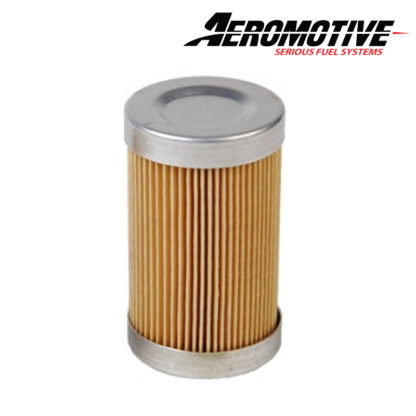
 Aeromotive 10 Micron Replacement Cellulose Fabric Fuel Filter Element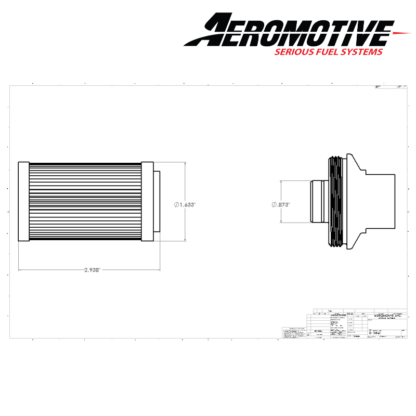
Aeromotive 10 Micron Replacement Cellulose Fabric Fuel Filter Element
-4%Delivery time: 3-5 Werktage
Safety instructions for Erzgebirge folk art pyramids.
• The pyramids are powered by burning candles! Therefore, make sure to keep a safe distance from curtains, furniture, upholstery and other flammable objects.
• Also remember that the pyramid is not a toy for children. Operation with an open flame may only take place under the constant supervision of adults.
• We accept no liability for damage caused by improper use or failure to observe these instructions.
Instructions for operation:
• Please only use high-quality candles that guarantee even burning. (Candles)
• Drafts can significantly affect the pyramid’s operation and should therefore be avoided at all costs.
Instructions for location:
• A solid and, above all, horizontal location (floor, table, etc.) is a prerequisite for a pyramid to run smoothly.
• When setting up the pyramid, make sure that the axis of the pyramid is in a vertical position. It must also be correctly positioned in the bearing.
• The middle part of the pyramid must be able to move freely.
Storage instructions:
• To ensure that the pyramid remains functional for many years, we recommend that you store it in a dry place.
• In addition, the pyramid should not be exposed to any major temperature fluctuations during storage.
Environmental damage caused by incorrect disposal of batteries
Batteries must not be disposed of in household waste. You are legally obliged to return old batteries so that proper disposal can be ensured. You can hand in old batteries at a municipal collection point or at a local retailer. As a distributor of batteries, we are also obliged to take back old batteries, although our obligation to take back is limited to old batteries of the type that we have or have had in our range as new batteries. You can therefore either send old batteries of the aforementioned type back to us with sufficient postage or hand them in free of charge directly in our store at the address given in the imprint.
Batteries are marked with the symbol of a crossed-out garbage can. This symbol indicates that batteries must not be thrown in household waste. For batteries that contain more than 0.0005 percent mercury (HG) by weight, more than 0.002 percent cadmium (Cd) by weight or more than 0.004 percent lead (Pb) by weight, the chemical name of the pollutant used is located under the garbage can symbol.
Dispose of electrical devices in an environmentally friendly manner
Electrical devices must not be disposed of with household waste. According to the European directive on waste electrical and electronic equipment, used electrical devices must be collected separately and sent to special collection and return systems. Owners of old devices from private households can hand them in at the collection points of the public waste disposal authorities or at the return points set up by manufacturers or distributors in accordance with the ElektroG.
Make sure that no beard hairs protrude in front of or into the mouth hole, otherwise no suction can be created and the cone can suffocate.
- Remove the upper body
- Light the incense cone (15 mm) at the tip and place it on a metal plate
- Put the upper body back on and enjoy the scent
- Then empty the ash into a non-flammable container.
- Not a toy for children!
- Please only use under adult supervision!
- Caution, smoldering incense cones and metal plates are very hot!